© 2025 Powered by #removeTheRisk Attitude. Thanks to Cyberfolks.

#EngineeringControls

Engineering controls are one of the methods used in the hierarchy of controls to manage workplace hazards. They focus on isolating people from the hazard or modifying the work environment and processes to reduce exposure.

Engineering controls are effective because they focus on reducing or eliminating hazards at the source before they come into contact with workers. They are generally more reliable than administrative controls or personal protective equipment (PPE) because they do not rely on human behavior or compliance. However, they can often be more expensive and complex to implement compared to other control methods.
What we do

Here's a closer look at how they compare to other control methods:

Isolation

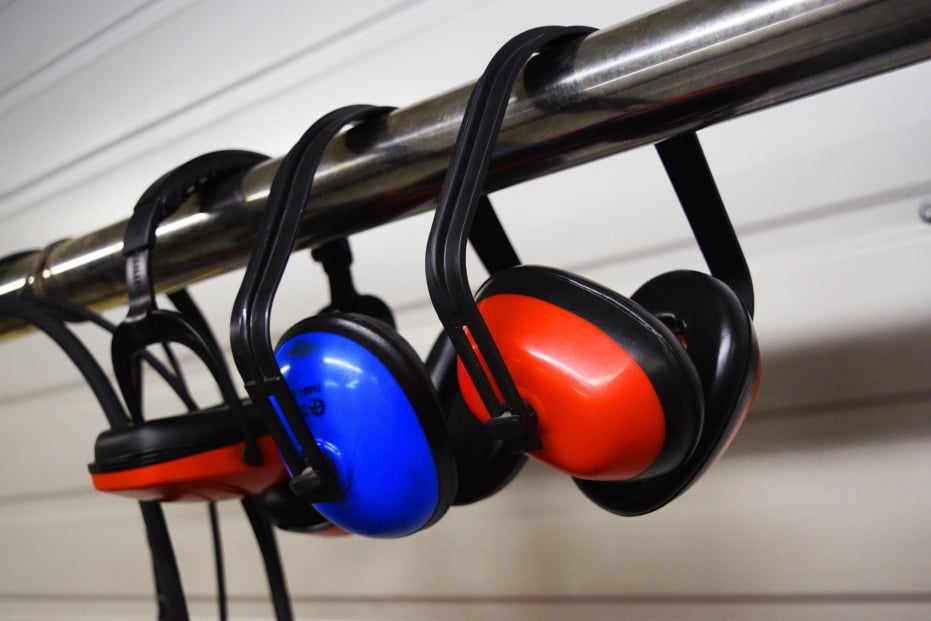
Implementing barriers or shields to separate workers from hazardous areas. For example, enclosing noisy machinery within soundproofed enclosures to protect workers' hearing.

Ventilation

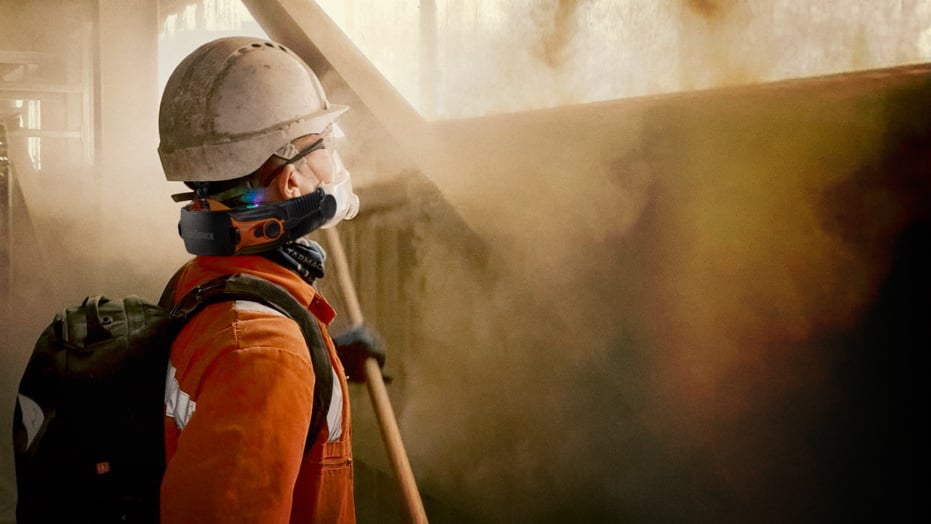
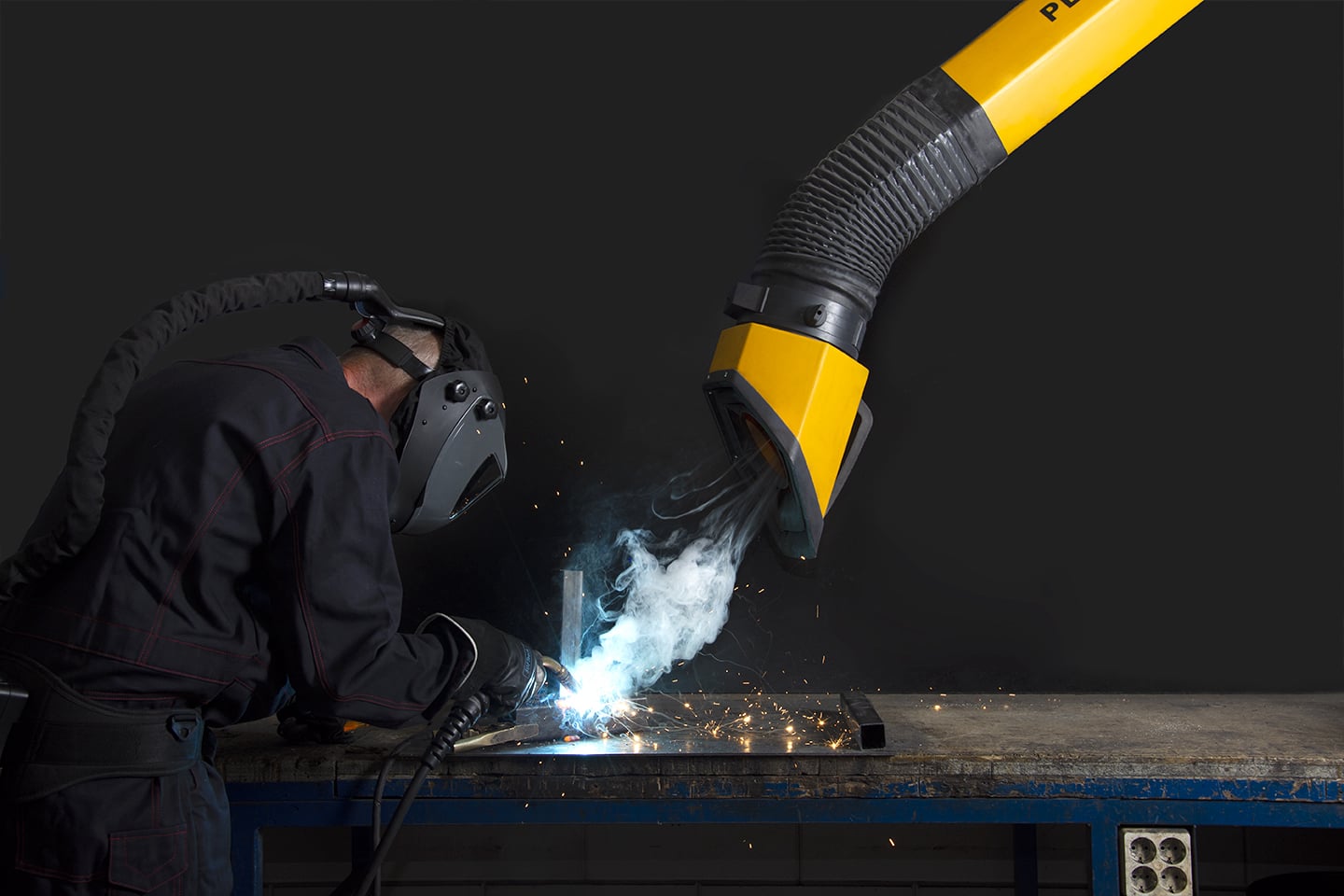
Installing ventilation systems to remove harmful contaminants from the air, ensuring a clean and safe breathing environment. This is common in industries dealing with chemicals or dust.

Substitution

Replacing hazardous materials with safer alternatives wherever possible. This is often part of engineering controls but also aligns with substitution strategies.

Redesign

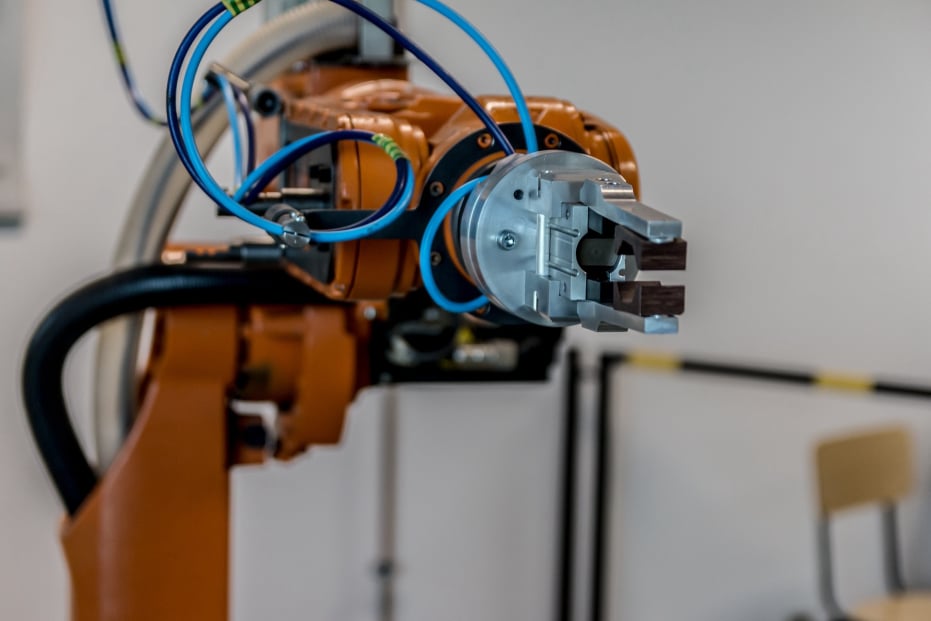
Modifying equipment, workstations, or processes to make them inherently safer. This could involve redesigning machinery to include automatic shut-off systems or ergonomic improvements to reduce repetitive strain injuries.

Containment

Using physical containment methods to prevent the spread of hazardous materials. This could include using containment booths, fume hoods, or sealed containers.

Connect, innovate, succeed

With a spirit of  innovation, we navigate uncharted territories, exploring new ideas, technologies, and approaches. It is through our willingness to challenge conventions and think beyond boundaries that we discover innovative solutions that propel us forward.