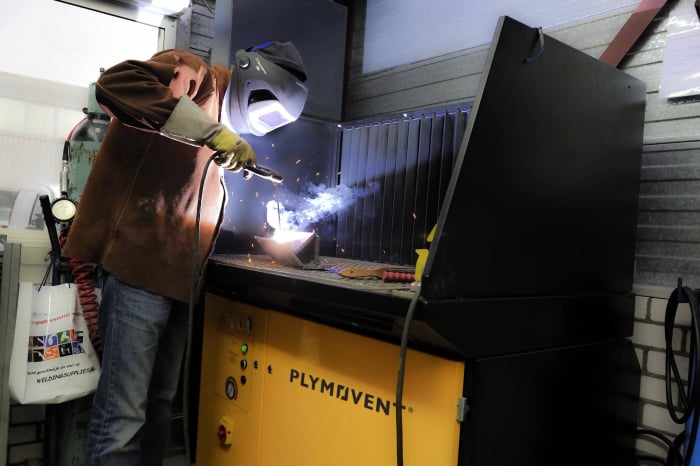
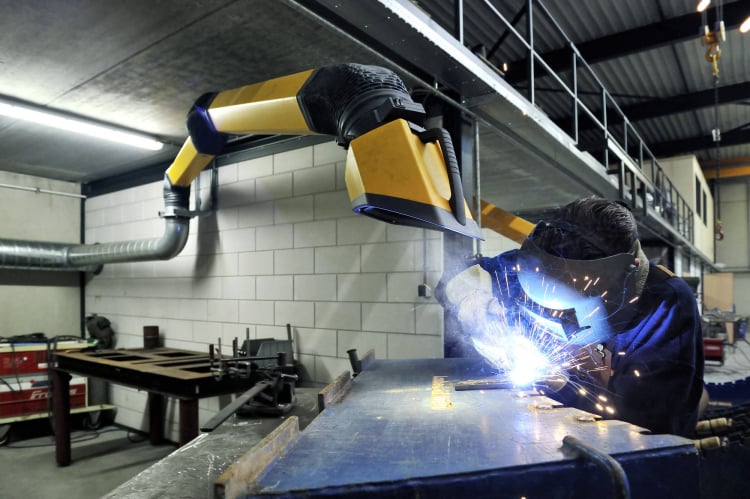
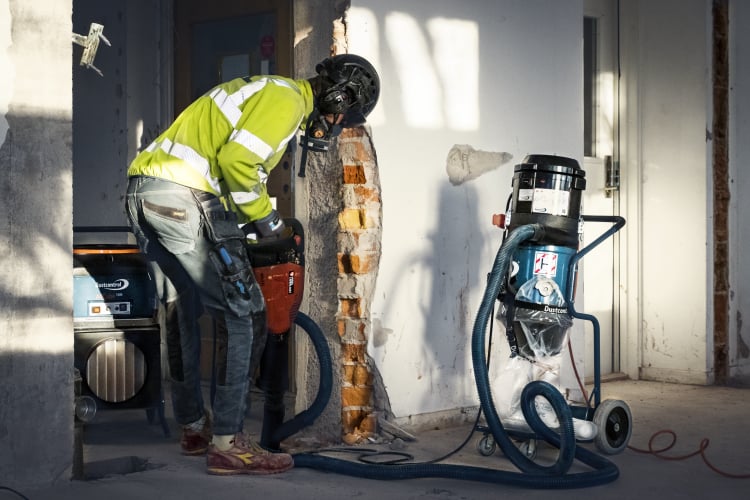
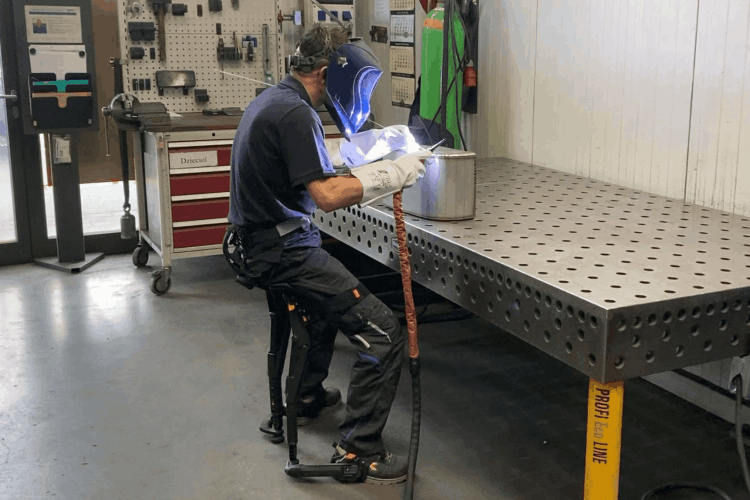
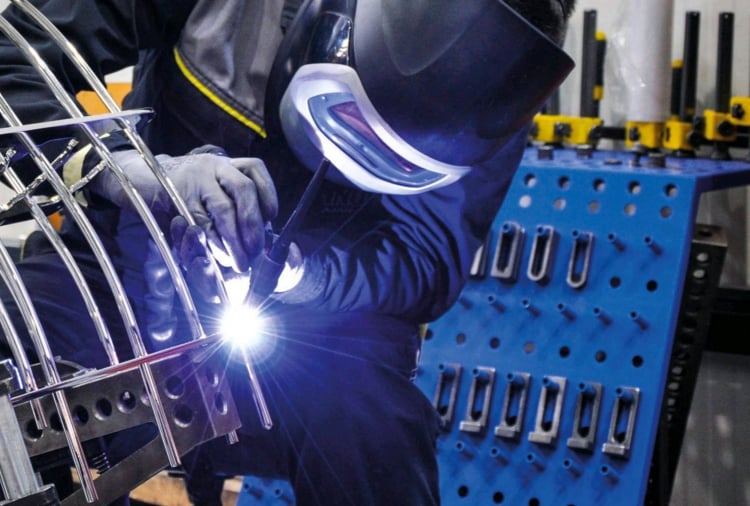
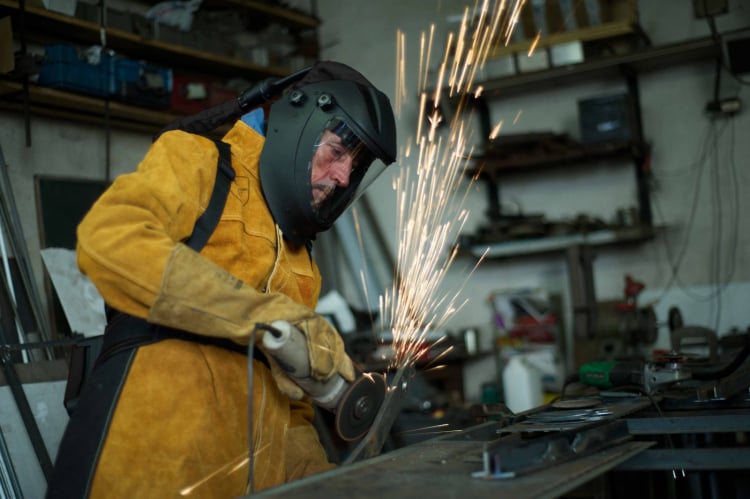
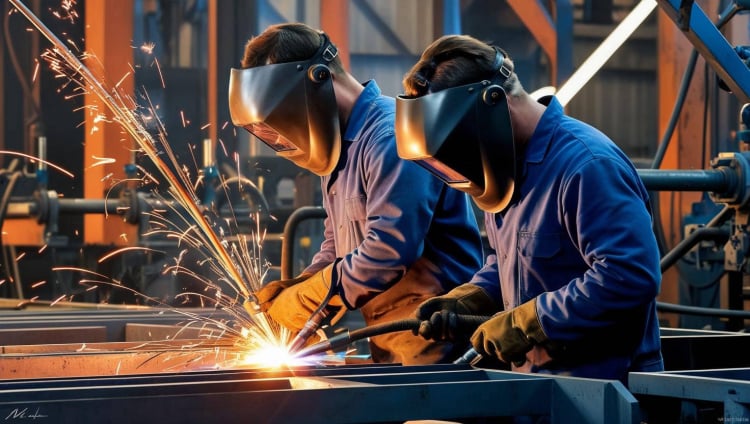
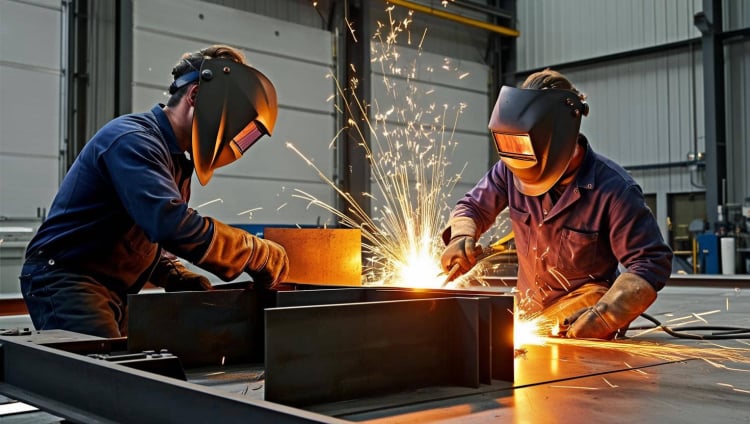
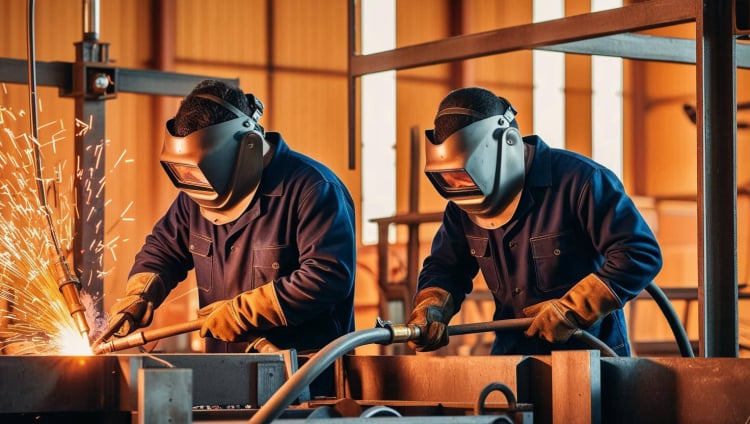
A positive safety attitude in the workplace is essential for creating a secure and productive environment. It helps in preventing accidents and injuries by encouraging employees to identify and address potential hazards proactively. Compliance with safety regulations is ensured, avoiding legal issues and fines. Moreover, a strong safety culture boosts employee morale and productivity, as workers feel valued and protected. This, in turn, leads to cost savings by reducing medical expenses, insurance premiums, and compensation claims. Ultimately, prioritizing safety demonstrates a company's commitment to employee well-being, enhancing job satisfaction and retention rates.
A vision and at the same time a clear mission aligned with the values and objectives of employees, management, customers and other parts involved.
A healthy working environment, with a safety culture inside, where all employees feels appreciated, respected and endorsed by their colleagues, and management.
A culture of innovation and creativity that is endorsing taking risks in business, expressing and learning from mistakes and moving forward step by step.
An engagement for excellence and quality in every aspect of the business, from procedures and working flow till products and services.
Respect for diversity and enclosure, by endorsing a supportive working environment for all the people, with different visions abilities.
Accent on customer satisfaction and loyalty by understanding their needs, asking for feedback and offering values and solutions above expectations.
Prevent Accidents: By clearly marking hazards, safety color codes alert workers to potential dangers, reducing the risk of accidents.
Enhance Communication: They provide a universal language that can be understood by everyone, regardless of language barriers.
Ensure Compliance: Adhering to safety color codes helps companies comply with occupational safety regulations and standards.
Improve Efficiency: Clear visual cues can streamline processes and improve workflow by indicating safe pathways, emergency exits, and equipment locations.
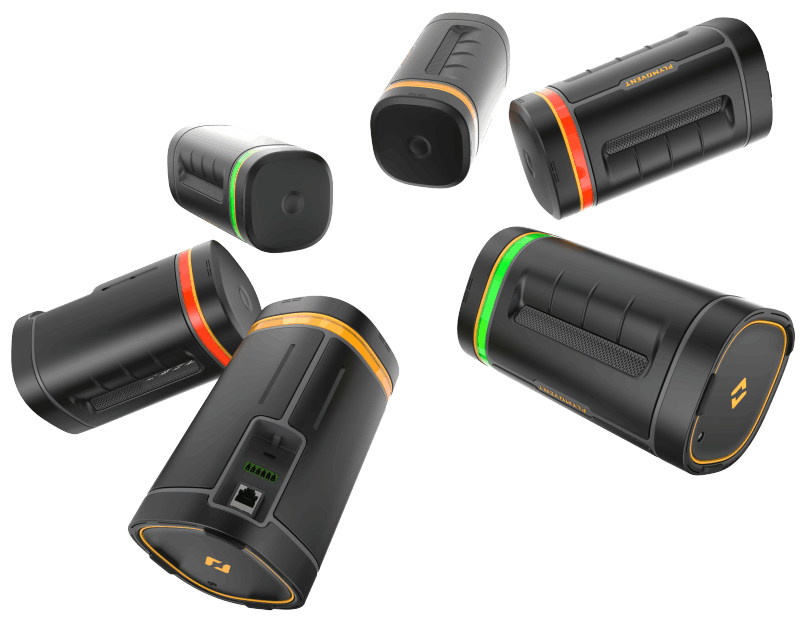
The AeroGuard is a versatile air quality monitoring device designed for health and safety, manufacturing or continuous improvement specialists. It measures various pollutants and climate factors, including particulate matter (PM1, PM2.5, PM4, PM10), volatile organic compounds (VOCs), carbon dioxide (CO2), temperature, humidity, sound, atmospheric pressure, and indoor air quality (IAQ). The AeroGuard is an essential tool for maintaining a safe and healthy working environment by ensuring that air quality is continuously monitored and managed effectively.
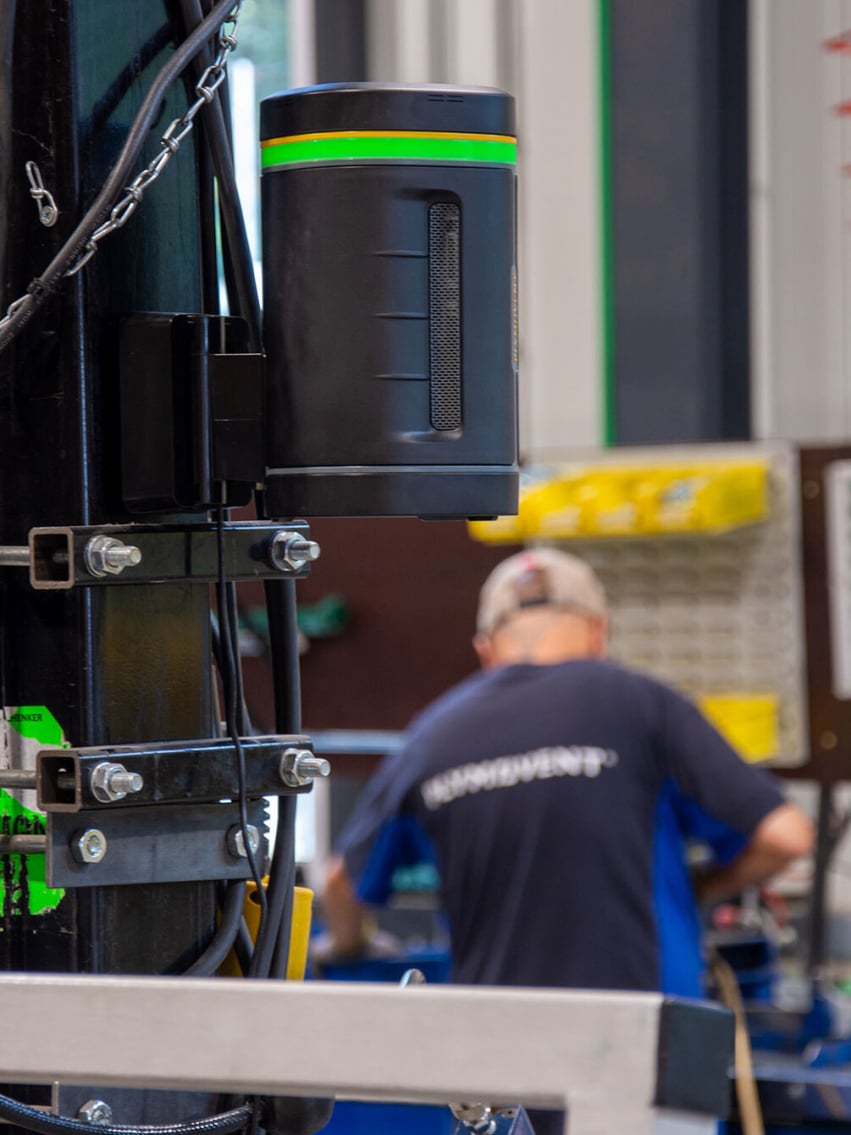
We are endorsing the safety attitude in order to creating a healthy and productive working environment. We share ideas of continuous improvement and solutions.
Continuous improvement is a systematic, ongoing effort to enhance products, services, or processes. This strategy involves regularly evaluating and refining practices to achieve incremental advancements. By fostering a culture of continuous improvement, organizations can adapt to changing market conditions, meet customer expectations, and maintain a competitive edge. Key elements include setting clear goals, encouraging employee involvement, and using data-driven decision-making to identify areas for improvement. This approach not only boosts efficiency and productivity but also promotes innovation and long-term success.
Evaluating air quality involves measuring the concentration of various pollutants in the indoor air.
Risk assessment is a systematic process used to identify, evaluate, and prioritize potential hazards that could negatively impact an organization, project, or individual.
A product or technology demo is a presentation that showcases the core features, capabilities, and value of a product
Selecting the right solution involves a systematic approach to ensure that the chosen option effectively addresses the problem or need.
Dimensioning a system or solution involves determining the appropriate size, capacity, and specifications to meet the desired performance and efficiency.
Assisting with your project involves several key steps to ensure a smooth and successful setup.
Providing support and training is essential to ensure that users can effectively operate and maintain equipment or technology.
Condition monitoring is a proactive approach to maintaining equipment and systems by regularly checking their condition to detect potential issues before they lead to failures.