Personal Protective Equipment (PPE) is the last line of defense in the hierarchy of controls for managing workplace hazards.
Using protective gear to create a barrier between the worker and the hazard. Examples of PPE include gloves, masks, goggles, and earplugs. PPE does not eliminate the hazard but provides a level of protection for the individual worker. It is considered the least effective control method because it depends on proper usage, maintenance, and compliance by the workers.
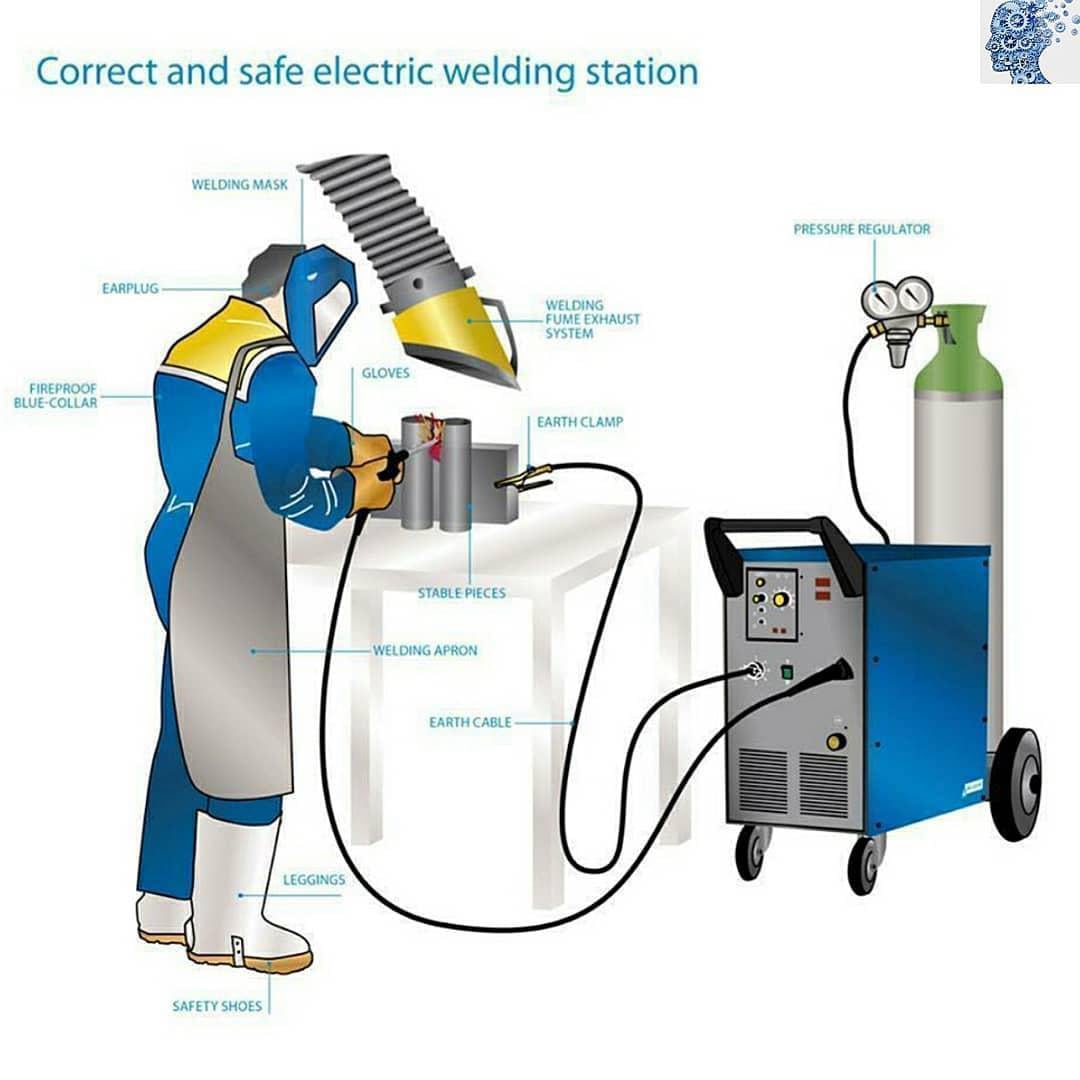
Personal Protective Equipment (PPE) is an essential part of workplace safety. It's important to select the appropriate PPE for the specific hazards present in the workplace and to ensure that workers are trained in its correct use and maintenance.
Helmets and hard hats protect against head injuries from falling objects or bumping into hard surfaces.
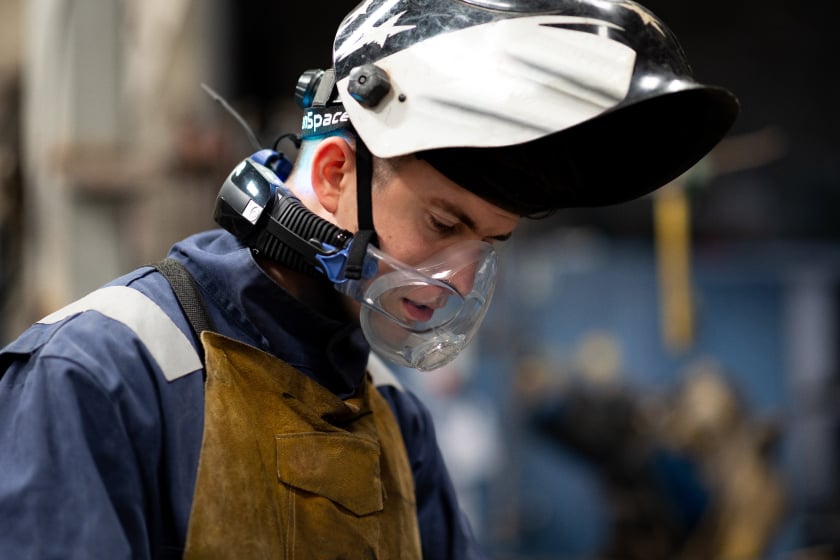
Safety glasses, goggles, face shields, and welding helmets protect against flying debris, chemical splashes, and intense light.
Earplugs and earmuffs reduce the risk of hearing damage from high noise levels.
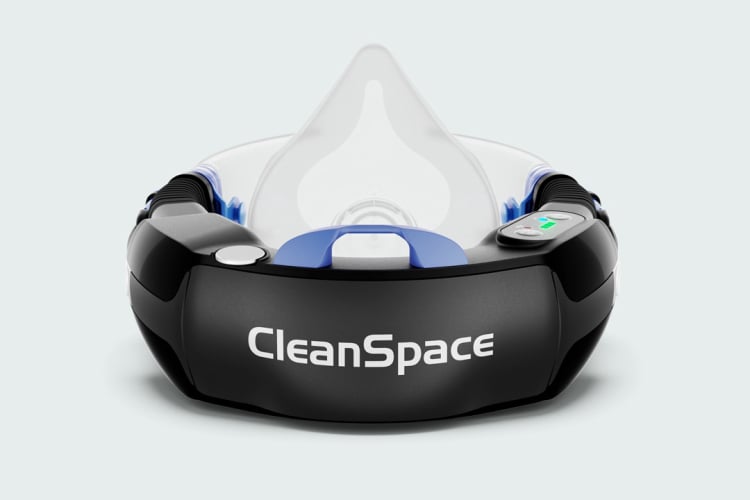
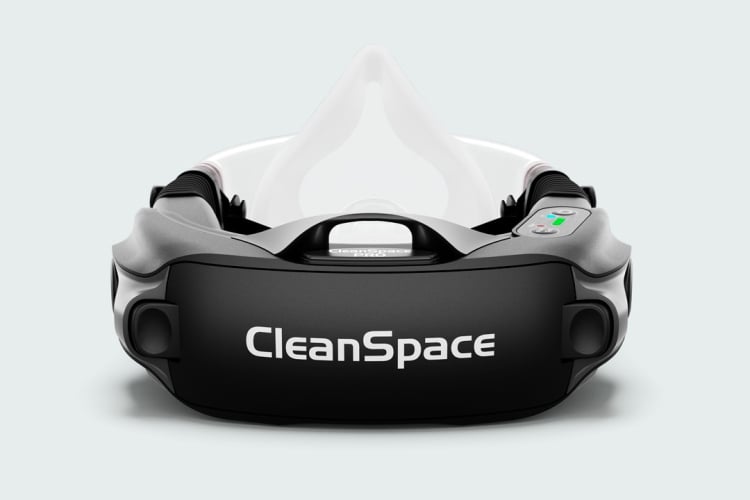
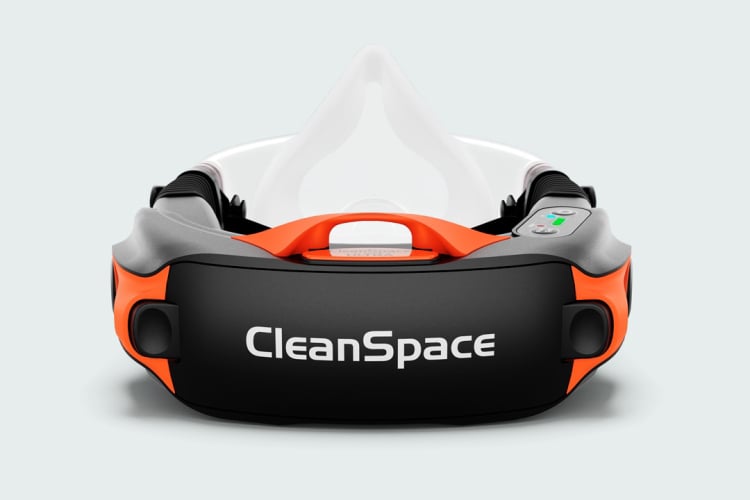
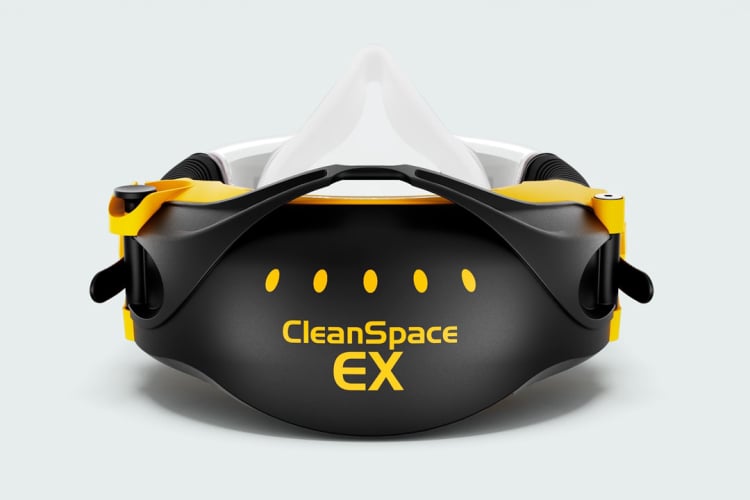
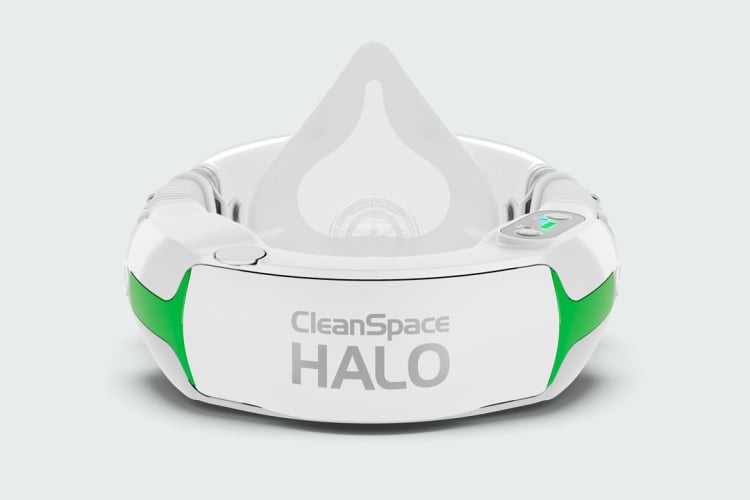
Masks, respirators, and self-contained breathing apparatus (SCBA) protect against inhaling harmful dust, fumes, vapors, and gases.
Gloves made from different materials (e.g., latex, nitrile, leather, and cut-resistant fabrics) protect against chemical exposure, cuts, abrasions, and thermal hazards.
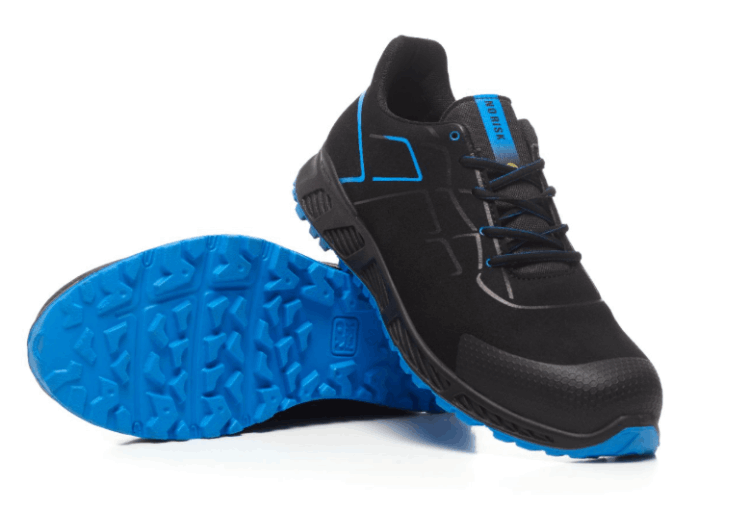
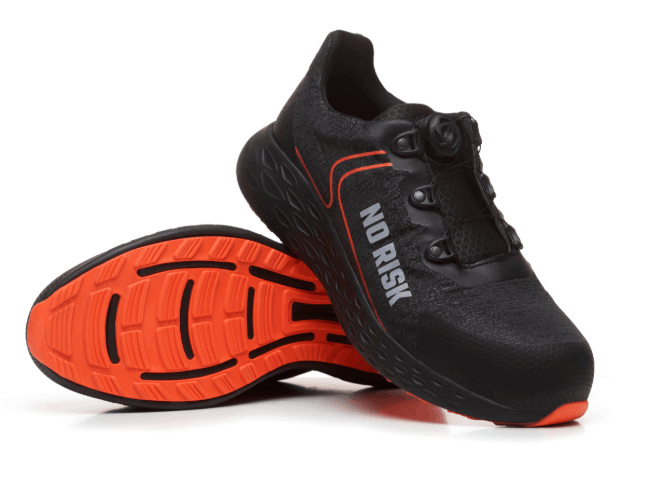
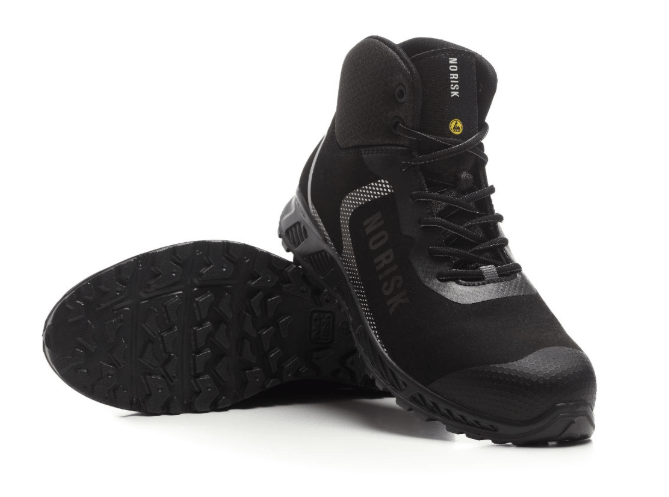
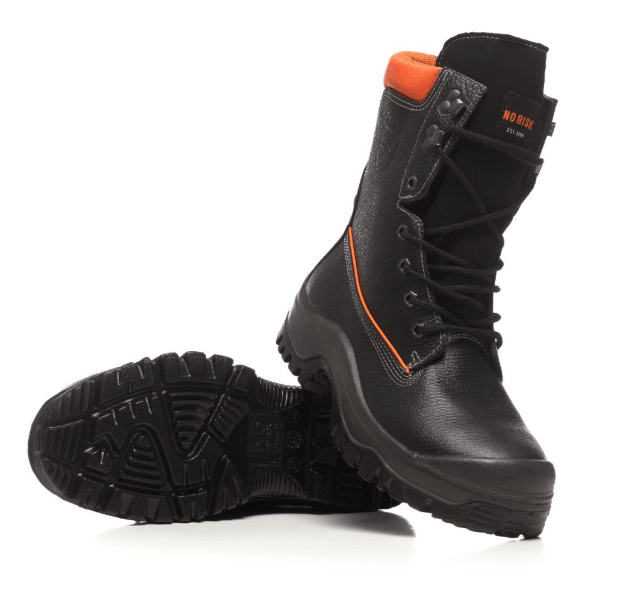
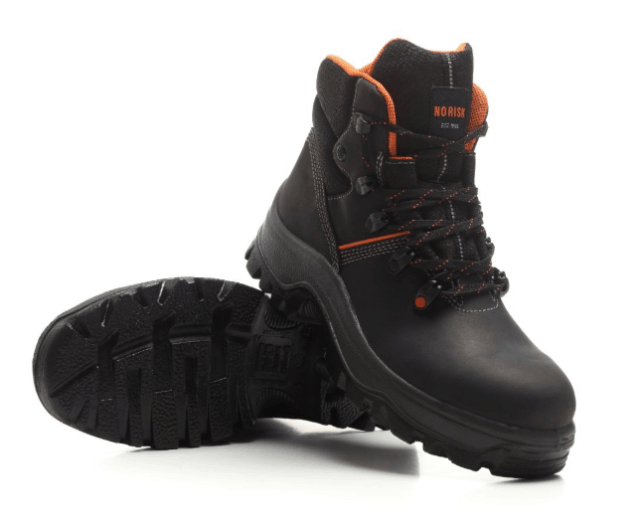
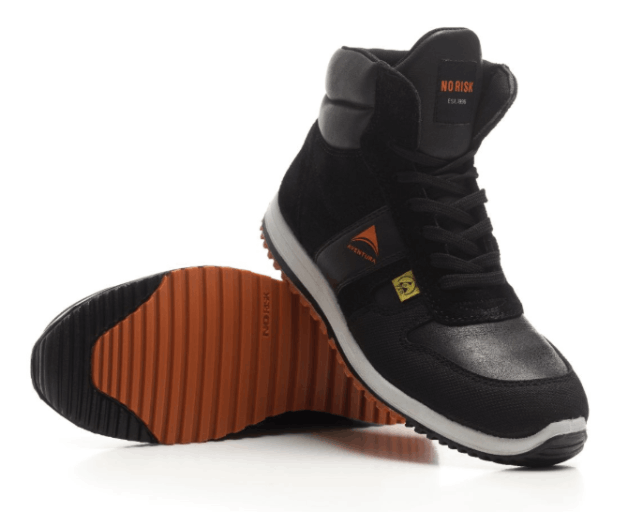
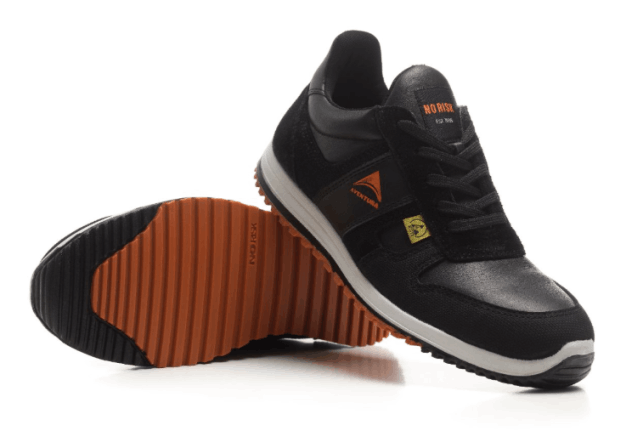
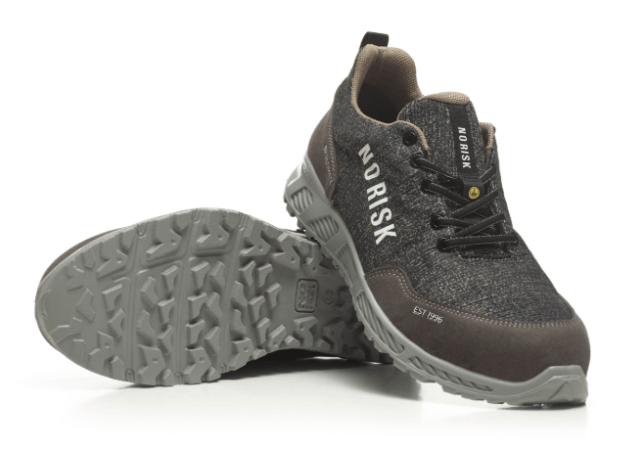
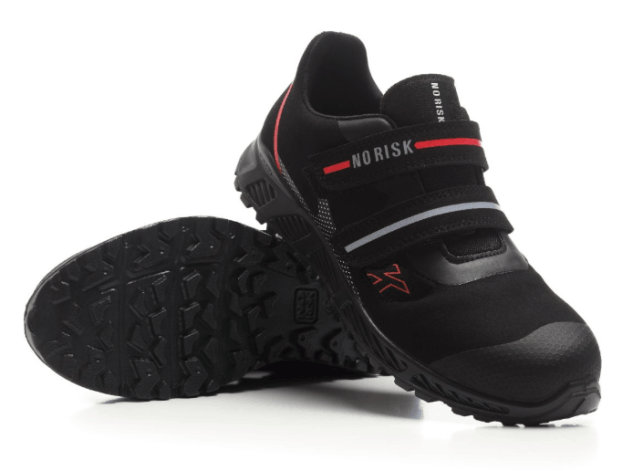
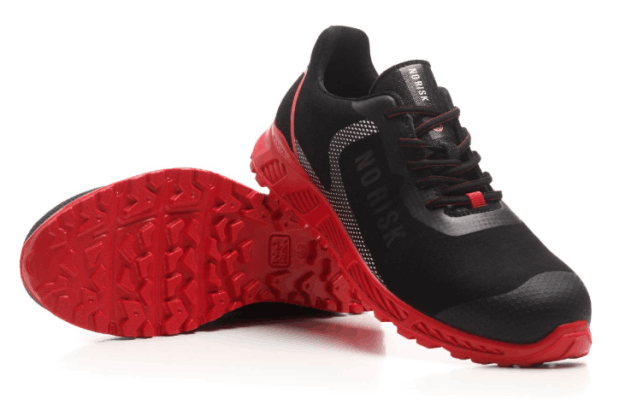
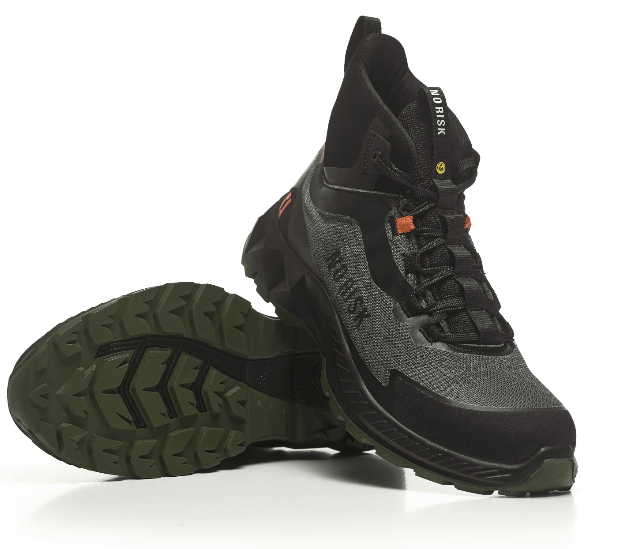
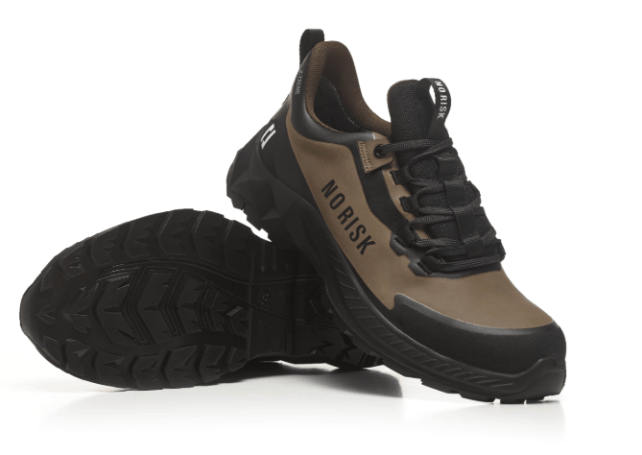
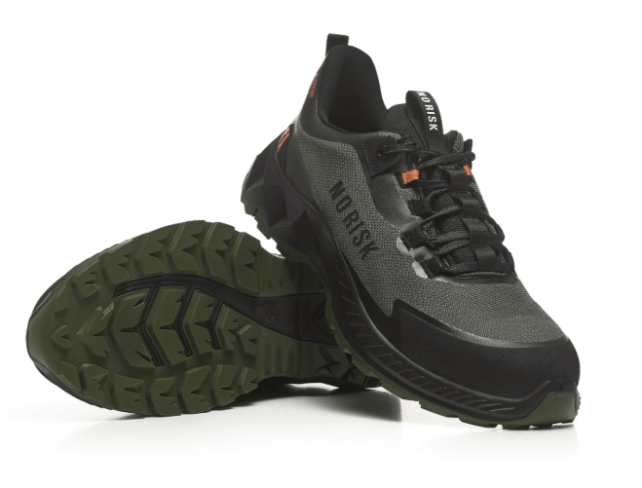
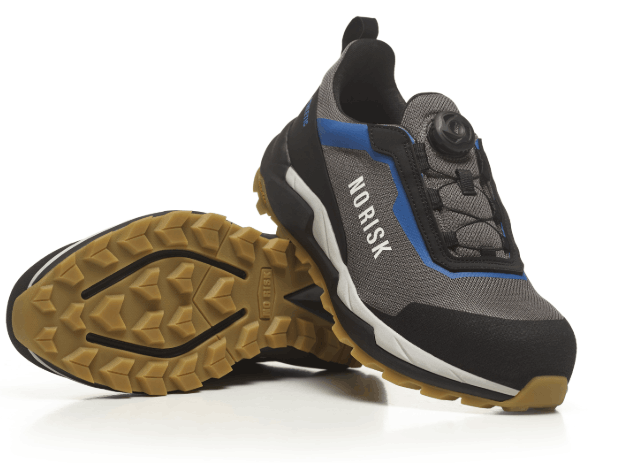
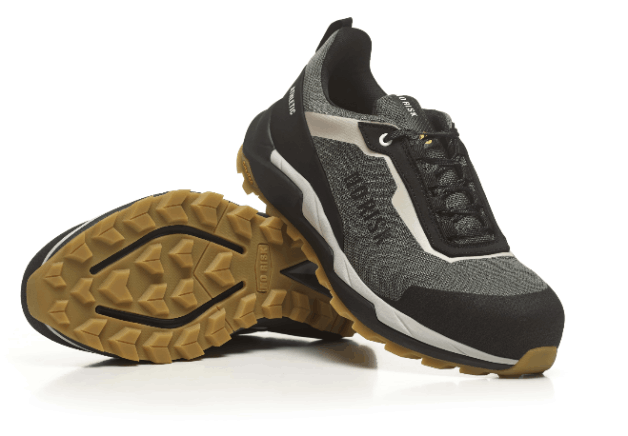
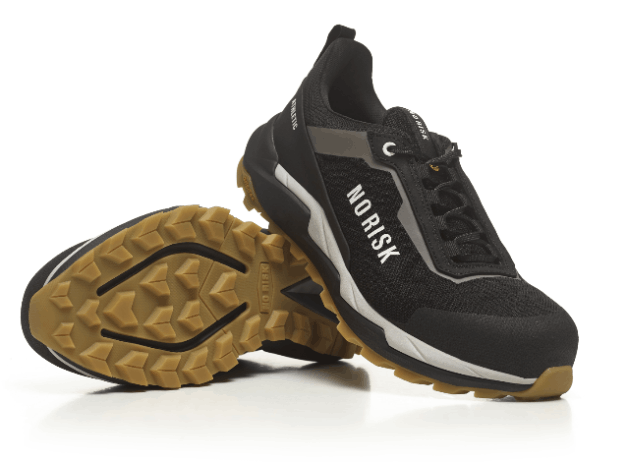
Safety shoes and boots with features like steel toes, puncture-resistant soles, and slip-resistant treads protect against injuries from falling objects, stepping on sharp items, and slipping.
Body Protection: Coveralls, aprons, and full-body suits protect against chemical splashes, heat, and hazardous materials.
Harnesses, lanyards, and lifelines prevent falls from heights and are essential in construction and other high-risk industries.